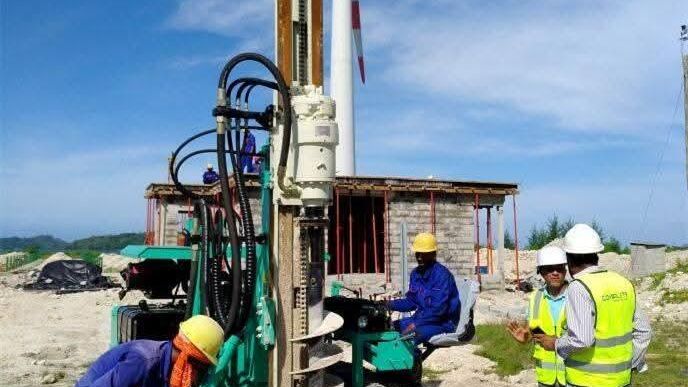

Shoring & earth retention
When Do You Need Sheet Pile Shoring?
Deep excavations, high groundwater and buildings next door all call for proper earth support. Here is when sheet pile shoring is the right answer, and how it is installed.
Colombo Piling3 min read
Every excavation deeper than a shallow trench needs a plan to stop the sides from collapsing. On open sites the ground can sometimes be battered back at a safe slope, but in towns and cities there is rarely room. That is where shoring comes in, and steel sheet piles are one of the most versatile ways to do it.
What is sheet pile shoring?
Steel sheet piles are long, interlocking steel sections. They are pushed, vibrated or pressed into the ground one after another, so their edges lock together and form a continuous wall. The soil inside the wall can then be dug out safely, with steel walers and struts added as the excavation gets deeper.
Because the interlocks are tight, a sheet pile wall also holds back a good deal of groundwater, which makes it a common choice for cofferdams and basements below the water table.
Signs your project needs sheet pile shoring
- The excavation is deep: basements, underground tanks, pump stations and deep pile caps usually need full earth support.
- Groundwater is high: where the water table sits above the bottom of the dig, a near-watertight wall keeps water and soil out.
- There are buildings, roads or services next to the dig: the ground beside them must not move, so sloped sides are not an option.
- The soil is soft or loose: sands, silts and soft clays lose strength quickly when exposed.
- The support is temporary: sheet piles can usually be extracted and reused once the permanent structure is built.
How sheet piles are installed
- The wall line is set out from the drawings and checked for buried services.
- Sheet piles are installed pair by pair, keeping the interlocks engaged and the wall plumb.
- Excavation starts inside the wall, and walers and struts (or anchors) are fitted at each design level.
- Water is managed with pumps where needed while the permanent structure is built.
- Once the structure can support the ground, the props are removed in sequence and the sheet piles are extracted.
Silent press-in piling next to existing buildings
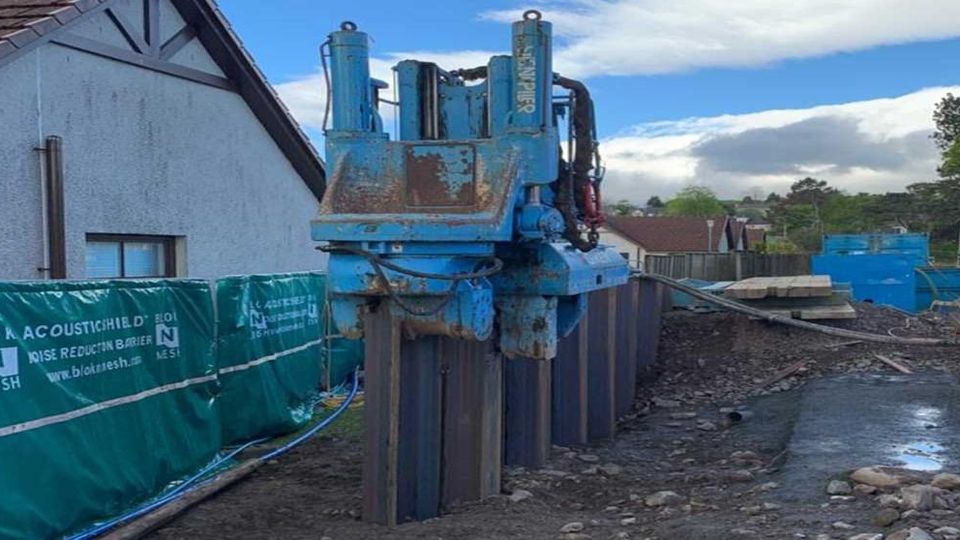
Where neighbours are close, sheet piles can be installed by silent press-in piling. The machine grips piles that are already installed and presses the next pile in hydraulically, with very little noise or vibration. This makes it well suited to busy city sites, hospitals and older buildings.
Alternatives to sheet piles
Sheet piles are not the answer to every excavation. Depending on the ground, the depth and whether the wall stays in place permanently, your engineer may prefer:
- H-iron and timber shoring for temporary support in firmer, drier ground.
- Contiguous piles for permanent retaining walls where groundwater is not a concern.
- Secant piles for permanent, watertight walls around deep basements.
What to have ready before you ask for a quote
- The excavation depth and plan dimensions
- The site investigation report, including groundwater levels
- The positions of neighbouring buildings, roads and underground services
- How long the excavation needs to stay open
Our sheet pile shoring team can review your excavation and recommend a safe, practical support system. Get in touch for advice and a free quote.
- sheet piles
- shoring
- excavation
- basements